Taylor Werner · 3 November 2026
Alumni Engagement Shapes Startup Partnerships and AI Research Funding at Poland's Accredited Universities
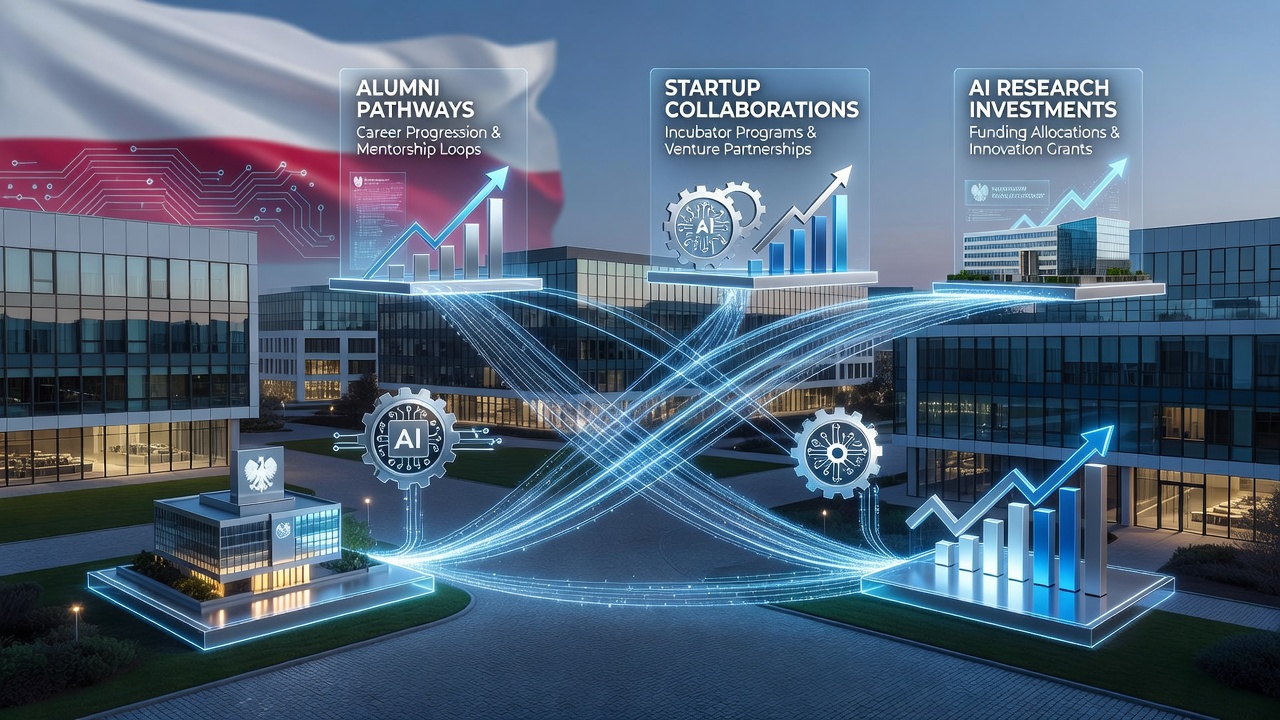
Graduates from Poland's accredited campuses maintain ongoing ties with their institutions that extend well beyond degree completion, and these connections frequently lead to structured collaborations with emerging companies while directing resources toward artificial intelligence projects. Data from national education records indicate that such pathways have expanded steadily since the early 2020s, with alumni often returning as mentors, investors, or co-founders who bridge academic programs and commercial ventures.
Tracing Graduate Routes Through Institutional Networks
Accredited universities across Poland maintain alumni databases that track career trajectories and facilitate introductions to campus incubators, and these systems have documented rising participation in joint initiatives where former students supply seed capital or technical expertise. Researchers at institutions in Warsaw and Kraków have noted that alumni who completed programs in computer science or engineering between 2018 and 2024 now account for a measurable share of early-stage funding rounds involving university spin-offs. Studies conducted by the Polish Ministry of Education and Science reveal that these networks operate through formal events held each academic year, including roundtables that pair recent graduates with current faculty and external partners.
One study released in 2025 by a consortium of Polish technical universities found that alumni involvement correlates with higher survival rates for startups launched on campus grounds, and the same report highlighted how these individuals often channel resources into AI-specific subfields such as machine learning applications for manufacturing and data analytics. Observers note that the process begins during final-year projects, where students present prototypes that later attract continued support once degrees are awarded.
Startup Collaborations Built on Alumni Connections
Startup ecosystems at accredited sites benefit when graduates leverage personal networks to secure pilot contracts or shared laboratory access, and evidence from regional innovation clusters shows that such arrangements have produced measurable outputs in sectors ranging from fintech to health technology. According to figures published by the European Commission on higher education and innovation, Poland recorded a 27 percent increase in campus-affiliated startup formations between 2023 and 2025, with alumni cited as primary catalysts in nearly half of documented cases. These partnerships typically involve equity arrangements or licensing agreements that allow universities to retain intellectual property while graduates manage day-to-day operations.
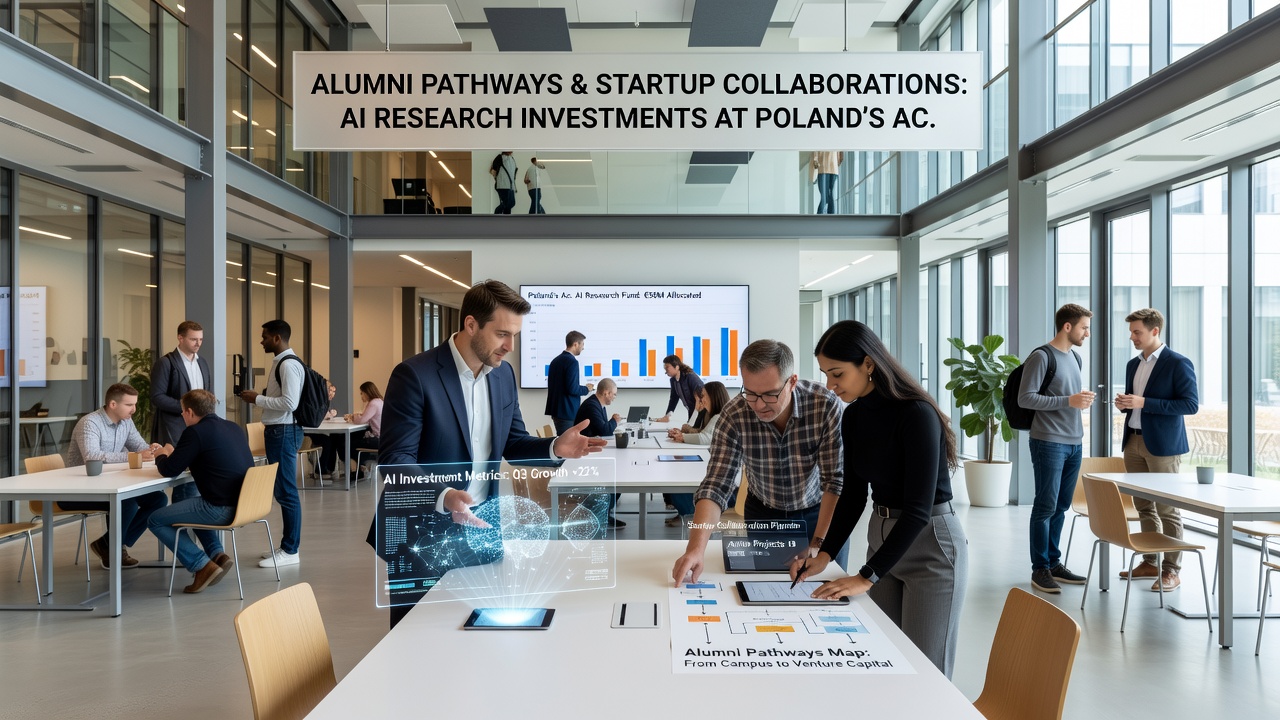
What's interesting is how these collaborations have incorporated artificial intelligence components at an accelerated pace, and data compiled by the National Science Foundation in the United States on global academic entrepreneurship indicates similar patterns emerging in Central European contexts. Alumni frequently identify gaps in existing research portfolios and introduce external funding streams that target machine vision systems or predictive modeling tools, thereby aligning institutional priorities with market demands without requiring new administrative approvals each time.
AI Research Investments Linked to Graduate Pathways
Funding allocations for AI research at Poland's recognized higher education sites have grown in tandem with alumni-driven initiatives, and ministry reports from November 2026 detail additional grant cycles that prioritize projects featuring graduate co-investigators. These investments cover equipment upgrades, joint appointments between universities and private firms, and scholarships that retain talent within the ecosystem rather than directing it abroad. Evidence suggests that campuses maintaining active alumni portals experience faster disbursement of research budgets, because former students often serve as intermediaries who translate academic proposals into formats suitable for venture or corporate sponsors.
Multiple accredited institutions in Gdańsk and Wrocław have established dedicated AI research centers funded in part through alumni contributions, and records show these centers produced peer-reviewed publications at rates above national averages during the 2024-2026 period. The pattern holds that graduates who secure positions in international technology firms later redirect portions of corporate social responsibility budgets back to their alma maters, creating sustained revenue streams that supplement public allocations.
Patterns Observed Across Multiple Campuses
Comparative analyses conducted by independent research bodies indicate that universities with robust alumni tracking systems report stronger integration between startup activity and AI work, and the same analyses note that smaller regional campuses have begun replicating models first tested at larger flagship sites. In November 2026, several institutions announced expanded matching funds for alumni-proposed projects that combine commercial viability with open-source AI tool development, and preliminary enrollment data suggest these announcements have influenced application trends for graduate programs in related disciplines.
Those who have examined longitudinal records emphasize that success depends on transparent governance structures that prevent conflicts of interest while still encouraging risk-taking, and Polish regulatory frameworks updated in recent years have clarified ownership rules for jointly developed technologies. Such clarity has encouraged greater participation from both domestic and international alumni cohorts.
Conclusion
Alumni pathways continue to intersect with startup collaborations and AI research investments through established institutional mechanisms at Poland's accredited campuses, and ongoing data collection points to sustained activity through at least the end of the current decade. These intersections rely on documented networks, funding records, and collaborative outputs rather than isolated events, creating repeatable patterns that other higher education systems have begun to examine for possible adaptation.